Potential Benefits for Horse Farm Owners, Hay Producers, and Rural Communities
Updated in 2026 from an original article by Karen Marshall for ELCR
 Agricultural districts, also known as agricultural preserves, agricultural security areas, or agricultural incentive areas, are voluntary programs designed to recognize and protect areas where farming is a priority land use. These programs encourage the continued use of land for agriculture, help maintain viable farm economies, and provide participating landowners with incentives and protections that can benefit horse farms, hay producers, and other agricultural operations.
Agricultural districts are especially important today as working farms face increasing pressure from residential development, land fragmentation, and competing land uses. Maintaining larger blocks of connected agricultural land helps preserve the infrastructure needed for agriculture, including hay production, grazing areas, farm roads, and locally available agricultural services that support equine operations.
Most commercial agricultural and allied farm businesses require large tracts of land, or a network of smaller, connected parcels, to remain economically viable.
Enrolling land in an agricultural district can provide a range of benefits, including:
- Reduced property tax assessments or agricultural valuation benefits
- Greater eligibility for farmland preservation programs and conservation easements
- Protection from nuisance complaints related to normal agricultural activities
- Recognition of agriculture as a preferred land use in community planning decisions
- A stronger collective voice for protecting working lands
Land eligible for enrollment generally must be devoted to agricultural production and/or animal husbandry, including commercial operations involving crops, livestock, and agricultural products or services such as processing, storage, and marketing.
Benefits and Eligibility for Equine Operations
The availability of agricultural district benefits for horse farms varies significantly by state. In states with broad definitions of agriculture, benefits may apply to a wide range of equine operations, including breeding, boarding, training, instruction, trail riding, and other horse-related businesses. States with narrower definitions may limit eligibility to farms primarily engaged in breeding, raising, and selling horses.
Horse farm owners should carefully review their state and local definitions of “agriculture,” “farm,” “agricultural production,” and related terms when determining whether their operation qualifies. A boarding stable, lesson program, training facility, or equine service business may or may not be considered agricultural, depending on the jurisdiction.
Unlike zoning districts, which establish mandatory land–use regulations, agricultural district enrollment is typically voluntary. Landowners apply for participation and, depending on the program, may have the ability to withdraw after meeting applicable requirements.
“Agriculture districts are a great way for states and communities to develop ‘farming is spoken here’ boiler plates for other planning and incentives. Enrolled land may then become eligible for a number of benefits through related programs.” – Bob Wagner, formerly of American Farmland Trust
Agricultural Districts and Conservation Easements: Understanding the Difference
 Agricultural districts and conservation easements are both important tools for protecting working lands, but they serve different purposes.
Agricultural districts are voluntary programs that recognize areas where agriculture is a priority land use. They generally provide incentives, tax benefits, and certain protections for participating landowners while allowing farms to continue operating and adapting over time. Agricultural district enrollment typically does not permanently restrict development rights and does not prevent future changes in land use if applicable program requirements are met.
Conservation easements are voluntary legal agreements between a landowner and a qualified conservation organization or government entity that permanently limit certain future development rights while allowing the land to remain privately owned. Many conserved properties continue to be actively farmed, grazed, or used for equestrian purposes while protecting important agricultural, environmental, scenic, and open-space values.
For many horse farm owners, these tools can complement one another. Agricultural district enrollment can provide immediate recognition and benefits for an active agricultural operation, while a conservation easement can provide long-term protection of the land’s agricultural and conservation values for future generations.
Before pursuing either option, landowners should carefully evaluate the requirements, benefits, and long-term implications of each program and seek advice from qualified legal, tax, and conservation professionals.
Examples of Agricultural District Programs Supporting Equine and Agricultural Operations
Several states have expanded their agricultural district programs over time to better recognize the diversity of modern agricultural businesses.
In New York, amendments to agricultural law expanded protections and agricultural assessment eligibility for certain commercial equine operations. Historically, eligibility focused primarily on commercial horse boarding operations meeting specific acreage, horse numbers, and income requirements. Later changes recognized additional equine activities, including horse training, trail riding, and riding instruction, helping acknowledge the broader role of equine businesses within agriculture.
In North Carolina, the Enhanced Voluntary Agricultural District program provides an additional level of participation for landowners willing to make a longer-term commitment to agricultural preservation. Enrolled landowners may receive enhanced benefits, including increased eligibility for certain cost-share programs supporting best management practices, such as erosion control, fencing, livestock exclusion systems, and conservation improvements.
Silver Springs Stud Farm, a 305-acre farm outside Paris, Kentucky, illustrates how agricultural district participation can help maintain the character of working farm communities. The farm is enrolled in the Historic Coopers Run Agricultural District, established in 1998. Agricultural districts can help preserve the rural landscape and provide prospective buyers with confidence that surrounding properties will continue to support agricultural uses.
Agricultural Districts in a Changing Rural Landscape
Agricultural districts were first established in the United States beginning in the 1960s as communities sought ways to protect farmland from development and fragmentation, encourage continued agricultural production, and reduce conflicts between agricultural and non-agricultural neighbors.
Today, these programs have taken on new importance as rural landscapes experience unprecedented changes. Beyond traditional residential growth, agricultural land is increasingly affected by large-scale infrastructure projects, including energy facilities, utility corridors, transportation projects, and other developments that can permanently alter working landscapes.
Agricultural districts do not prevent all development, but they provide communities with a framework for identifying important agricultural areas and considering the long-term impacts of land-use decisions. They can help discourage unnecessary conversion of farmland to non-agricultural uses and strengthen local planning efforts to retain viable agricultural economies.
Program Requirements 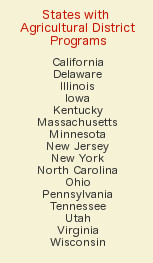
Agricultural district programs are generally administered at the state or local level through county agricultural boards, conservation agencies, or other designated entities. Rural landowners typically apply for inclusion, and eligibility requirements vary by location.
Programs may consider factors such as:
- Minimum acreage requirements
- Agricultural use and production history
- Farm income or sales thresholds
- Soil quality
- Agricultural assessment value
- Enrollment periods and renewal requirements
- Whether parcels are individually or collectively enrolled
Enrollment periods vary widely, often ranging from several years to multiple decades. Some programs allow landowners to enroll an entire parcel or only a portion of their property.
A Stronger Voice for Agriculture
For horse farms, hay producers, and other agricultural operations, participation in agricultural districts is more than a tax or regulatory benefit. It is an opportunity to demonstrate the importance of working lands to the broader community.
Increasing the number of farms and acres enrolled in agricultural districts strengthens agriculture’s collective voice, helps maintain the landscapes that support equestrian activities, and contributes to the long-term sustainability of rural communities.
Related ELCR Resources
Rural Sprawl: Beyond the Urban Edge
Conservation Tools for Horse Lands
Conservation Easements as a Tool for Protecting Horse Lands
Protecting Virginia’s Horse Country: Conservation Strategies That Pay Off
Purchase of Development Rights in the U.S.
Planning and Zoning Guide for Horse-Friendly Communities