Moving Beyond Horses-Per-Acre Regulations
Updated in 2026 from an early article published by ELCR.
“I thought we had this settled, and now the planners want to reduce the number of horses that we can have per acre in our suburban community. Are there any standards that we can give them to help us keep what we have?”
This is a question horse owners, boarding facilities, and equestrian organizations continue to ask as communities grow, and land-use pressures increase.
To answer that question, it is important to understand how communities regulate horse facilities and how modern land management practices can help determine the number of horses a property can sustainably support.
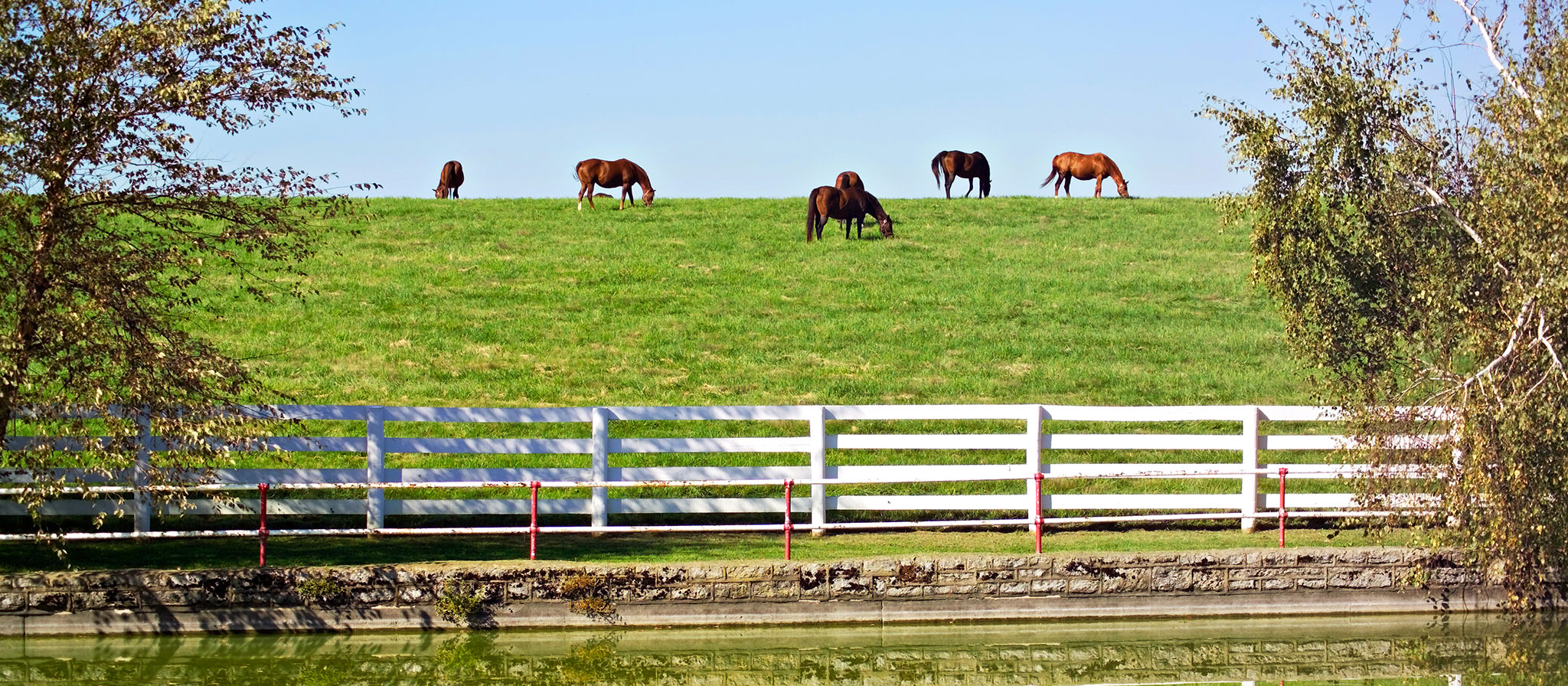
Why Communities Use Horses-Per-Acre Standards
Many communities regulate the number of horses allowed on a property, particularly outside of agricultural districts. These regulations are often intended to address concerns such as:
- Water quality and stormwater runoff
- Odor and manure management
- Dust and air quality
- Traffic and parking
- Noise
- Neighborhood character and aesthetics
- Public health and safety
Community codes are designed to protect public health, safety, and welfare while balancing the needs of residents, businesses, and agricultural operations.
At the same time, public boarding facilities, lesson programs, equestrian centers, and private horse properties need to be located near towns and cities to provide access to horses for riders, students, and the general public. Regulations that unnecessarily restrict horse operations can limit opportunities for people to participate in and benefit from equestrian activities.
Traditionally, many communities have relied on a simple horses-per-acre formula. These standards vary widely and may be based on local history, neighborhood density, development patterns, public concerns, or precedent established in neighboring jurisdictions.
While easy to administer, fixed acreage standards often fail to account for the unique characteristics of individual properties.
A Better Question: What Is the Property’s Carrying Capacity?
Today, many land-use professionals and agricultural agencies recognize that the more important question is not how many acres a property contains, but how many horses the land can sustainably support.
Carrying capacity refers to the number of horses a property can accommodate while maintaining healthy soils, vegetation, water resources, and overall environmental quality over time.
Factors that influence carrying capacity include:
- Soil type and drainage
- Amount and quality of pasture
- Rainfall patterns
- Slope and topography
- Presence of streams, ponds, or wetlands
- Regional climate
- Existing infrastructure
- Manure management systems
- The amount of time horses spend on pasture versus in stalls, paddocks, or dry lots
Two properties with the same acreage may have dramatically different carrying capacities based on these factors.
Managing for Sustainability
An increasingly effective approach is to determine horse numbers based on a facility’s ability to meet environmental standards and implement best management practices (BMPs).
This performance-based approach often produces better environmental outcomes than a fixed horses-per-acre standard because it focuses on stewardship rather than simply acreage.
Best management practices may include:
- Rotational grazing systems
- Designated sacrifice areas or dry lots
- Stream and pond buffers
- Exclusion fencing around waterways
- Manure composting and storage systems
- Heavy-use protection areas
- Pasture renovation and reseeding
- Stormwater management practices
- Tree planting and shade management
- Soil conservation measures
These practices help maintain healthy vegetation, reduce erosion, improve water infiltration, reduce dust, and enhance the overall appearance and function of horse properties.
The Growing Importance of Soil Health
Soil health has become a central focus of agricultural and equine land management. Healthy soils support productive pastures, absorb rainfall more effectively, reduce runoff, and improve drought resilience.
Practices that improve soil health include:
- Maintaining year-round vegetative cover
- Avoiding overgrazing
- Rotating pastures to allow recovery
- Increasing soil organic matter
- Reducing compaction
- Managing manure as a resource
Investing in soil health often allows a property to support horses more sustainably over the long term.
Sacrifice Areas and Dry Lots
One of the most valuable tools available to horse property owners is a properly designed sacrifice area or dry lot.
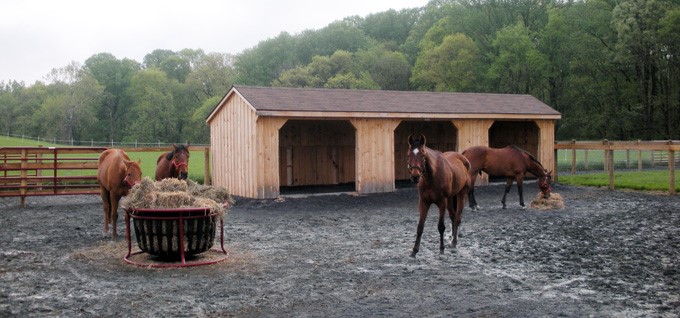
These designated turnout areas allow horses to be removed from pastures during wet weather, drought conditions, winter months, or pasture recovery periods. By preventing overgrazing and soil damage, sacrifice areas help preserve forage quality and improve the long-term carrying capacity of the property.
In many situations, the availability of a sacrifice area can significantly influence how many horses a facility can responsibly accommodate.
Understanding Environmental Compliance
Horse facilities, like other land uses, are subject to environmental regulations that vary by state and locality. These may include requirements related to:
- Stormwater management
- Water quality protection
- Erosion and sediment control
- Nutrient management
- Waste handling
- Air quality and dust control
Many jurisdictions increasingly evaluate horse facilities based on environmental performance and compliance rather than relying solely on acreage requirements.
This approach requires:
- Knowledge of applicable regulations
- Implementation of appropriate BMPs
- Cooperation between horse owners and local governments
- Access to technical assistance and educational resources
- In some cases, financial assistance for conservation improvements
State departments of agriculture, conservation districts, extension services, and USDA programs can often provide guidance and support.
Community Perception Matters
Horses contribute significantly to the character and open space of many communities. Well-managed horse properties can provide scenic landscapes, wildlife habitat, and a connection to local agricultural heritage.
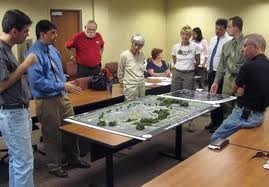
However, public support for horse facilities often depends on how well they are maintained.
Factors that influence community perception include:
- Property appearance
- Pasture condition
- Fencing quality
- Dust control
- Odor management
- Traffic and parking
- Event management
- Water quality protection
Good stewardship benefits both the horse community and neighboring residents.
Planning for a Changing Climate
Property owners today must also consider climate-related challenges that affect carrying capacity.
More frequent droughts, intense rainfall events, and temperature extremes can impact pasture productivity and increase the risk of erosion and runoff.
Climate-resilient management strategies may include:
- Improving soil health
- Diversifying forage species
- Installing effective drainage systems
- Protecting stream corridors
- Expanding rotational grazing systems
- Developing drought-management plans
These practices can help horse properties remain productive and environmentally responsible under changing conditions.
Conclusion
There is rarely a single “correct” horses-per-acre ratio. The number of horses a property can sustain depends on its soils, vegetation, infrastructure, management practices, environmental conditions, and regulatory requirements.
Communities that focus on carrying capacity, environmental stewardship, and best management practices rather than fixed acreage formulas are often better positioned to support both healthy horse operations and healthy landscapes.
Horse owners who invest in sound land management practices not only improve the sustainability of their operations but also help ensure that horses remain a valued part of their communities for generations to come.
For additional information, contact your local Cooperative Extension Service, conservation district, state department of agriculture, or USDA Natural Resources Conservation Service office for guidance on pasture management, nutrient management, and conservation planning.