By Denise Y. O’Meara for ELCR, Updated May, 2026
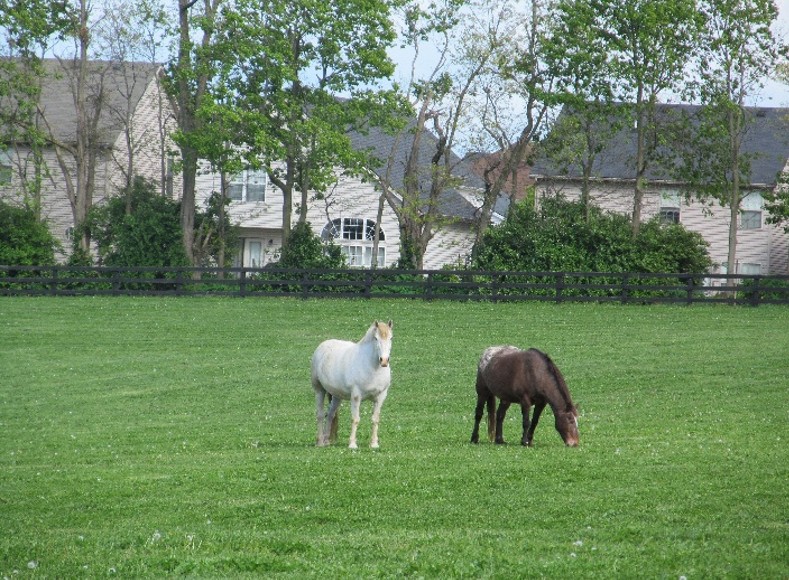
The Equine Land Conservation Resource (ELCR) regularly receives requests for assistance from individuals, organizations or communities threatened by development plans that can negatively impact horse-keeping in their local communities. Often, residents have been blindsided by these proposed development plans that leave them with little time to organize and react. For that reason, ELCR encourages equestrian communities to organize and advocate at the local level. Establishing a formal group allows stakeholders to monitor land use and planning decisions, share information timely, advocate effectively, and respond proactively, or when necessary, reactively, to policies that may threaten equine land access.
Across the United States, grassroots land-use watch groups are forming as residents grow increasingly concerned about suburban and rural sprawl. These organizations focus on sustainable growth, land-use planning, and agricultural preservation by advocating for smart growth, protecting rural land, and promoting sustainable development in and around urban areas.
These organizations play a critical role in shaping the future of their communities by:
- Identifying and assessing local land-use priorities and concerns
- Engaging residents to determine a shared vision for community development
- Advocating for planning decisions that reflect those priorities and holding decision-makers accountable when they do not
Even organizations that do not focus specifically on equine lands can be valuable allies in your efforts to protect horse lands. Thoughtful, well-executed planning benefits everyone by helping to protect valuable agricultural, equine, and natural landscapes for the benefit of this and future generations. Below are several exemplary organizations working to promote responsible land use.
FAYETTE ALLIANCE
The question posed by the Fayette Alliance is not “if we grow, but how we grow.” They believe that Fayette County can be the model for sustainable growth by balancing and connecting Lexington, Kentucky’s increasingly vibrant city with its productive and beautiful Bluegrass farmland. It is a challenge, but so far Fayette Alliance has been successful.
According to Fayette Alliance, Lexington was the first community in the U.S. to create an urban services (growth) boundary, which is a “hard line that limits development into farmland. This boundary serves twin purposes. It preserves our irreplaceable Bluegrass farmland and drives development and investment inside our city limits. This has been and continues to be the key to our economic development and quality of life. The urban services boundary enables our signature agricultural industries to thrive and creates a vibrant city.”
Fayette Alliance approaches its work in three ways: advocacy, education, and research. The research is critical. Fayette Alliance conducts and commissions research by experts so that all their positions are based on data, facts, and the law. They have commissioned studies on housing demands; land utilization; the economic impact of Fayette County’s agricultural industries; the costs of community services; and many others. This thorough research enables them to offer real solutions to Fayette County’s growth needs while protecting farmland.
Fayette Alliance works with the city and other stakeholders on dynamic, comprehensive growth and planning strategies that incorporate the city’s wealth of vacant and underutilized properties, helping to develop policies that utilize these assets in a sustainable way. The process prioritizes needs such as traffic and multi-modal transportation, infrastructure, and other issues that affect quality of life.
Importantly, greenspace is recognized as a necessary part of the urban-county infrastructure, as opposed to an add-on feature. The planning and growth processes are dynamic and needs change over time and must be responded to.
Fayette Alliance is truly an alliance of committed citizens. Its board members and supporters represent a diverse cross-section of the community, including farm owners, developers, affordable housing advocates, planners, economic development experts, educators, entrepreneurs, and other community leaders who care about how Lexington-Fayette County grows. According to Fayette Alliance, by working for sustainable, responsible growth, and by partnering with other local organizations, the Alliance is protecting the prime soils of the county while promoting smart city development.
Fayette Alliance brings a continual and positive message to the community: urban growth and rural preservation can coexist with good planning, and that community image and quality of life are just as important as growth.
What can other communities and their equestrian constituents learn from Fayette Alliance?
- Mission-Driven Leadership
- Like many equine and community organizations, Fayette Alliance is small but highly focused and specific in what it wants to achieve. Understanding your mission and sticking to it will help you accomplish specific goals.
- Community Support & Funding
- The Alliance has garnered a high level of support from the community and is 100% funded by donations. Organizations in your community can attract funding by refining your message, gaining mission support, and making the “ask” directly to the local community.
- Collaboration & Long-Term Success
- Equine land advocacy organizations can learn from their focus, persistence, and ability to collaborate with other community groups and individuals to accomplish a common goal. These are key elements in achieving success over the long term.
HORSE FARMS FOREVER
https://www.horsefarmsforever.com/
Horse Farms Forever is a nonprofit advocacy organization based in Marion County, Florida, a region internationally recognized as the “Horse Capital of the World.” The organization was founded in 2018 in response to growing development pressures that threatened the county’s iconic horse farms and rural character. At the time, proposals for major roadway expansions and increasing residential and commercial growth raised serious concerns among horse farm owners, equine professionals, and local residents. Many feared that rapid, unplanned development would fragment valuable pastureland and permanently alter the landscape that has made the region a global center for thoroughbred breeding, training, and equestrian sport. In response, a coalition of concerned citizens united to create Horse Farms Forever as a clear, organized voice dedicated to protecting the land and agricultural heritage that define Marion County.
The organization’s mission is strategically built around four guiding principles for success:
- Protect
- Promote
- Preserve
- Plan
Horse Farms Forever works to safeguard the county’s Farmland Preservation Area, which was established to maintain large, contiguous tracts of agricultural land and shield them from incompatible development. By carefully monitoring zoning changes, infrastructure proposals, and comprehensive plan amendments, the organization advocates for responsible growth that does not undermine the equine industry. It actively participates in public meetings, engages with county commissioners and planners, and provides research-based information to help inform land-use decisions. In addition, Horse Farms Forever educates landowners about conservation tools such as agricultural easements, which allow farms to remain privately owned while permanently protecting them from future development. Through these efforts, the organization seeks to ensure that farmland remains viable and productive for generations to come.
Beyond policy advocacy, Horse Farms Forever also emphasizes public education and community engagement. The equine industry in Marion County supports thousands of jobs and contributes significantly to the local economy through breeding operations, veterinary services, feed suppliers, training facilities, and equestrian events. By promoting awareness of this economic impact, the organization helps residents understand that preserving farmland is not only about maintaining scenic beauty, but also about sustaining livelihoods and regional identity. The group hosts informational events, builds partnerships with agricultural leaders, and encourages residents to become members and advocates for thoughtful planning. Centered near Ocala, the heart of the county’s horse country, Horse Farms Forever continues to serve as a leading voice for conservation-minded growth. Its work reflects a long-term commitment to balancing progress with preservation, ensuring that Marion County’s rolling pastures, open spaces, and thriving equestrian culture remain an enduring part of the community’s future.
What can other communities and their equestrian constituents learn from Horse Farms Forever?
- Organizing creates a stronger voice
- When residents, landowners, and industry professionals come together, they can advocate more effectively for their community. Horse Farms Forever shows how a coalition of concerned citizens can influence local planning decisions and protect shared resources.
- Planning for growth is just as important as development
- The group emphasizes responsible, well-planned growth rather than stopping development entirely. Communities can learn that thoughtful land-use planning helps balance economic progress with preserving important landscapes.
- Protecting land also protects local economies
- In Marion County, the equine industry supports thousands of jobs. The organization highlights that farmland preservation is not only about scenery, but it also protects industries, livelihoods, and regional identity.
- Education and public involvement strengthen conservation efforts
- By informing residents about zoning decisions, conservation tools like agricultural easements, and the economic value of farmland, the organization helps people understand why preservation matters and encourages them to participate in local decision-making.
This article, by ELCR, provides more information on HFF: On the Right Track – How a Community-Based Land-Use Advocacy Organization Is Making a Difference in Central Florida : ELCR – Equine Land Conservation Resource
WOODFORD FORWARD
https://www.facebook.com/WoodfordForward/
Woodford Forward is a non-profit organization in Woodford County, Kentucky, founded in 2014. The organization focuses on advocating for innovative land use and economic development policies, aiming to strengthen and diversify the local economy while preserving historical resources. This group of community members advocates for the policies that will promote the best use of urban land to help ensure continued agricultural use of the county’s excellent farmlands. Woodford Forward’s CEO, Patrick Chase Milner, talked with ELCR about the purpose of the organization, how it came to be, and what projects they are taking on.
Woodford Forward focuses on “working with government officials and the community stakeholders to advocate for innovative development and redevelopment of their urban areas, adequate infrastructure for citizens and business, and the agricultural use of productive farmland throughout the County.
“Through these efforts, Woodford Forward works to promote the link between quality of life and economic development,” says Mr. Milner. Like Fayette Alliance, Woodford Forward supports the county’s Purchase of Development Rights Program and organizations that also advocate for the “protection of the prime productive farmland soils in Woodford County, which are excellent for producing food, feed, forage, fiber, and oilseed crops,” says Milner says. This is excellent land for raising horses, too. The organization works on or lends its support to projects that align with its mission, including the support of a new multi-use (including equestrian) trail system proposed for the county.
A 2015 survey of Woodford County residents confirmed the high level of support for Woodford Forward’s mission, and Milner has personally found the community to be receptive and appreciative of the organization’s efforts. Clearly the community is aware of what they have to lose and want policies that will protect it. Funding is through private donations.
Woodford Forward’s focus on quality of life through the economic wellbeing of the community, especially in relation to the use of prime agricultural lands, emanates from understanding what the community wants and needs through undertaking public surveys and hosting local candidate forums. This has helped them to gain the community’s support and encourage membership. Woodford Forward is funded by its annual membership program.
What can other communities and their equestrian constituents learn from Woodford Forward?
- Community-Focused Land Use & Preservation
- This organization advocates for responsible growth that protects Woodford County’s farmland, equine heritage, and historic character. Supports policies that balance development with long-term land preservation and community values.
- Economic Development & Infrastructure
- Works with local leaders and stakeholders to strengthen infrastructure, support businesses, and encourage sustainable economic growth that enhances residents’ quality of life.
- Public Engagement & Agricultural Support
- Community involvement is encouraged through surveys, forums, and outreach efforts to better understand local priorities. The group supports initiatives that preserve productive farmland and expand equestrian and multi-use trail opportunities.
Seven Practical Steps for Advocacy and Action
- Come together and get organized. Strong local groups help individuals and communities have a real voice in decisions about growth, development, and protecting open land.
- Listen to your community. Understanding what people value, along with the needs of equine land users, helps ensure plans reflect the full picture. Sometimes outside experts can help gather this information.
- Find solutions that work for everyone. It is possible to support horses, people, and local economies while also protecting the environment and respecting land‑use rules.
- Speak up for smart local policies. Advocacy at the local level is one of the most effective ways to protect equine land and keep trails and open spaces accessible.
- Work with others to make a bigger impact. Building relationships with local leaders, agencies, and organizations, even those with different perspectives, helps move ideas forward.
- Get involved in local planning. Learning how community plans are made and how decisions happen gives you the tools to protect open space and shape your community’s future.
- Think long term. Advocacy does not happen overnight. Lasting change takes ongoing communication, attention, and a commitment to protecting equine land for generations to come.
Related ELCR Resources
Interested in learning more about community based organizations? Explore these ELCR resources:
Planning for Horses in Your Community: Planning for Horses in Your Community
On the Right Track – How a Community Based Land Use Advocacy Organization Is Making a Difference in Central Florida: On the Right Track – How a Community Based Land Use Advocacy Organization Is Making a Difference in Central Florida
Three Words Every Equestrian Should Know… Land Use Planning: Three Words Every Equestrian Should Know… Land Use Planning
Stop the Sprawl: Stop the Sprawl
Planning and Zoning Guide for Horse Friendly Communities: Planning and Zoning Guide for Horse Friendly Communities
Guide – Horse-Friendly Zoning Practices in American Communities: Horse-Friendly Zoning Practices in American Communities
Conservation Easements as a Tool for Protecting Horse Land: Conservation Easements as a Tool for Protecting Horse Land
Agriculture Districts: Potential Benefits for Horse Farm Owners and Our Hay Producers: Agriculture Districts

