Protecting Hay-Producing Land in a Changing Landscape
Adapted and updated in 2026 from “No Hay for Horses,” an earlier article by Jennifer Keeler for ELCR.
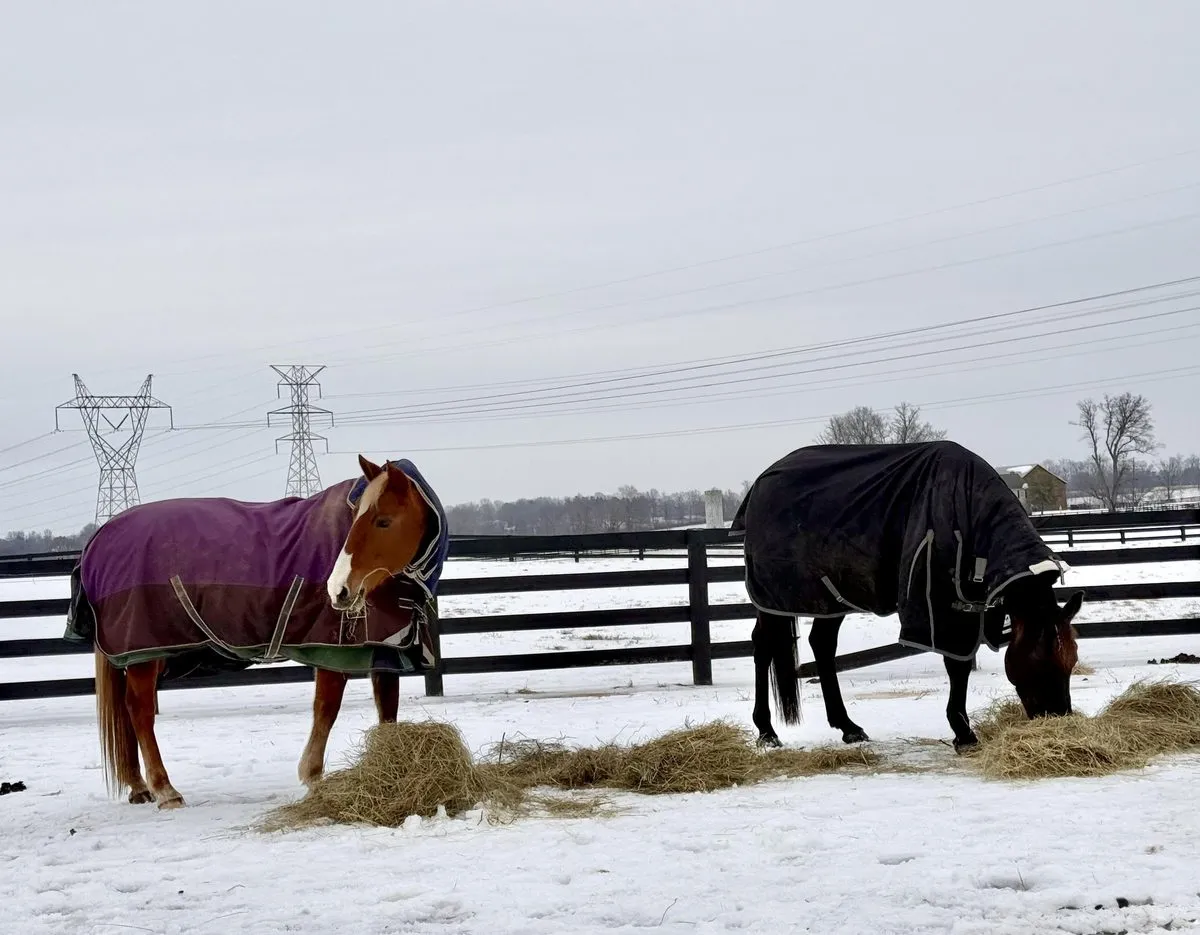
Horse owners savor the sweet smell of freshly baled hay stacked neatly in a barn loft and take comfort knowing their horses will be well fed through winter or dry seasons. We often take it for granted that hay will always be available and grown in a nearby field or delivered by the local feed store with a simple phone call.
But what happens when there is a hay shortage or when the cost of hay continues to climb?

Every Horse Depends on Land
Horses require approximately 1.5-2 acres of forage-producing land annually (depending on climate, pasture availability, and management). However, farmland faces increasing pressure from competing uses and the long-term availability of affordable hay is becoming an increasingly important issue for every horse owner.
A common rule of thumb is 1.5–2 acres of good-quality pasture is required per-horse per-year to provide most or all of their forage needs, but the actual amount can vary significantly based on:
- Forage productivity and soil quality
- Climate and rainfall
- Length of the grazing season
- Horse size and nutritional needs
- Pasture management and rotation
- Whether hay is also produced on the property
Larry Byers, an avid foxhunter and past president of the U.S. Pony Clubs and ELCR’s Board of Directors, believes many equestrians underestimate just how much forage horses require.
“It takes about three acres of forage land per year to feed a horse, whether that’s as pasture or hay. In addition, horses need about one pound of forage per 100 pounds of body weight every day. For an average horse, look at what a 15-pound pile of hay really looks like. Then multiply that amount for a week, a month, and an entire year. It’s a startling amount and a wake-up call for many people.”
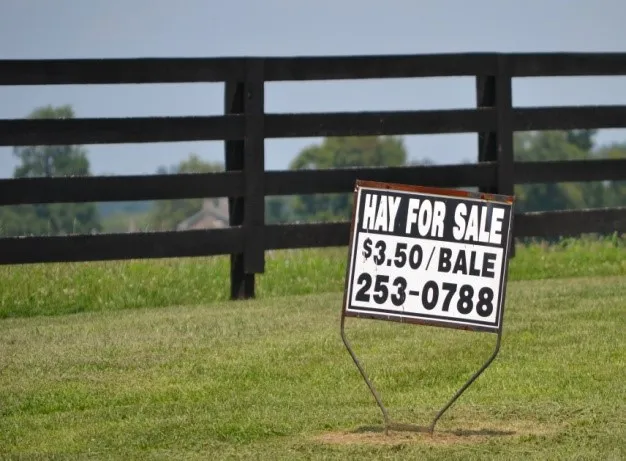
Hay shortage trends affect every facet of the equine industry. Professional boarding and training facilities have to pick between absorbing higher costs or passing the increased fees onto clients. Breeding farms using thousands of bales annually face significantly higher operating expenses, and recreational horse owners with a handful of horses at home also feel the impact.
“We haven’t yet faced the dramatic reality where supply no longer meets demand. Many people simply don’t think about where their hay comes from, what it takes to produce it, or what happens if there isn’t enough,” Byers added.
Producing forage requires substantial investments in land, equipment, labor, fuel, fertilizer, storage, and favorable weather.
Local Hay Matters
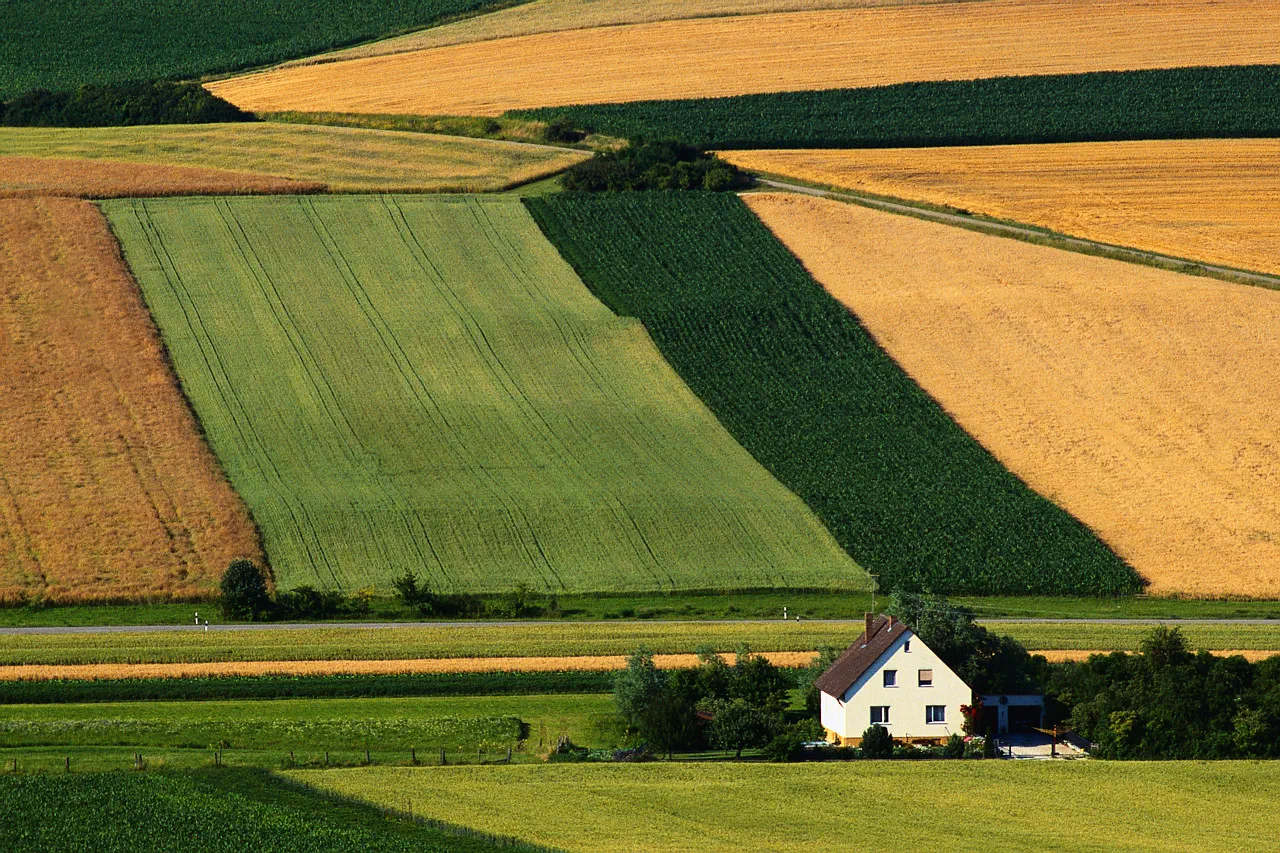
Many horses are kept close to the cities and suburbs where their owners live and work. As development expands outward, nearby hay fields are disappearing.
As a result, horse owners are relying on hay transported from farther away. Longer hauling distances increase transportation costs, which are reflected in the price paid by boarding facilities and individual horse owners. Rising fuel prices, labor costs, equipment expenses, and maintenance costs further compound these increases.
In some areas, local hay production has declined so significantly that forage must be transported hundreds or even thousands of miles. This makes horse owners more vulnerable to droughts, oil price increases, and transportation disruptions.
Economics Shape Hay Production
To stay viable, farmers constantly evaluate which crops provide the greatest return on their land. When prices for corn, soybeans, or other commodities rise, producers may convert hay fields to other crops. In some areas, leasing land for energy projects or selling farmland for development provides more predictable income than producing hay.
Hay production requires specialized equipment, multiple harvests, storage capacity, and significant labor. Rising costs for fertilizer, fuel, machinery, insurance, and taxes all influence whether producing hay remains economically viable to produce.
The hay market is increasingly connected to global demand. Premium forage produced in the United States is shipped internationally, creating additional competition for high-quality hay.
Climate Uncertainty
Climate and weather have always influenced hay production, but today’s hay producers are facing more frequent and severe weather extremes. Extended droughts reduce production and excessive rainfall can delay harvest and reduce hay quality. Flooding, wildfires, and changing growing seasons create additional uncertainty for producers already operating on narrow margins.
The USDA Climate Hubs note that agriculture is particularly vulnerable to changing temperatures, precipitation patterns, drought, flooding, and other climate-related challenges. These factors affect crop productivity, production costs, and the ability of farmers to adapt to changing conditions.
What Horse Owners Can Do
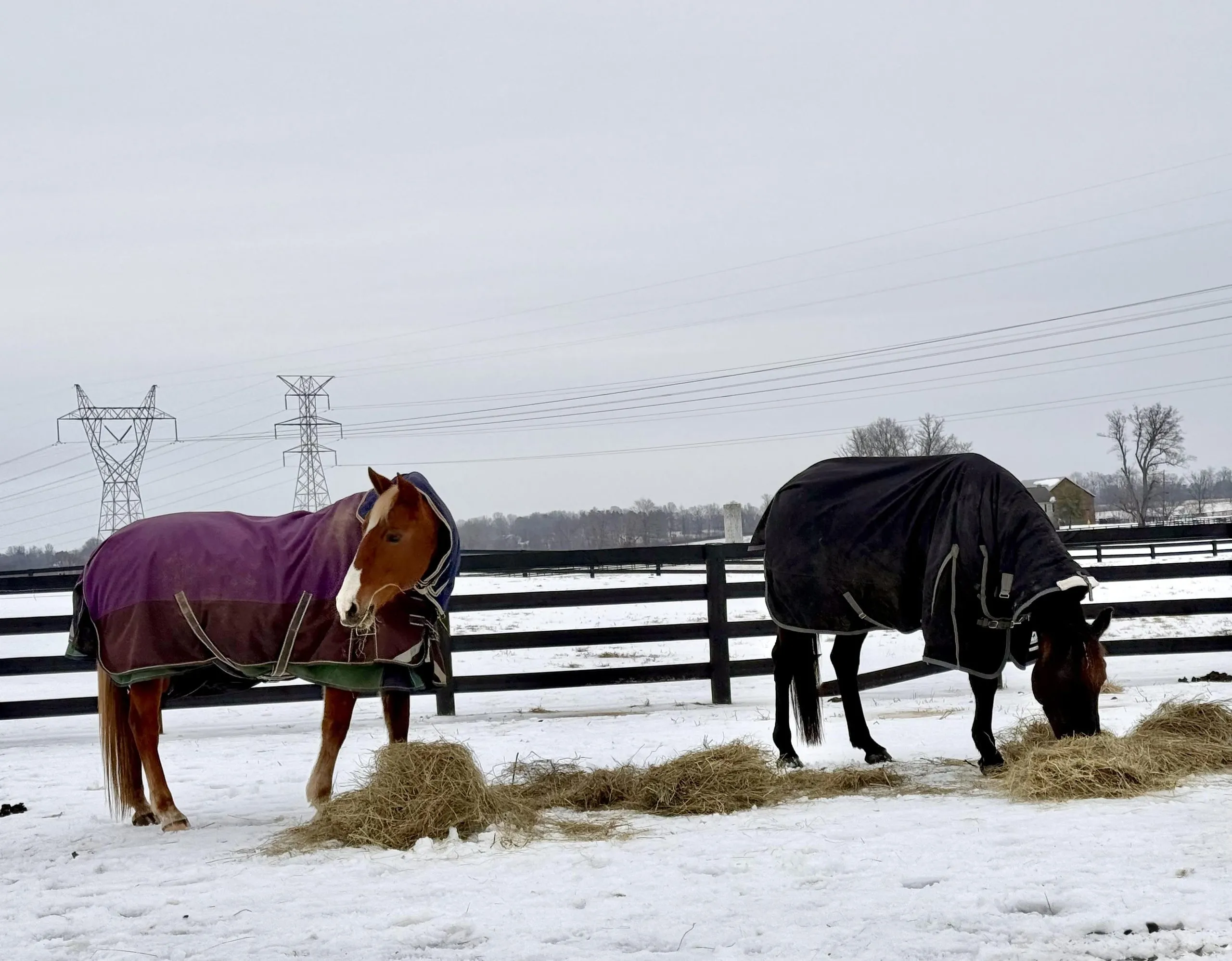
Horse owners can help protect the land that sustains the equine industry by:
- Learn about local land-use planning decisions and proposed development projects.
- Attend planning, zoning, and county meetings when agricultural land is being considered for conversion.
- Support local farmers and purchase locally produced hay whenever possible.
- Encourage conservation tools such as agricultural districts, conservation easements, and purchase of development rights programs.
- Support policies that keep productive farmland available for agricultural use.
- Help other horse owners understand the connection between farmland conservation, hay availability, and the future affordability of horse ownership.
Protecting the Land That Feeds Our Horses
Protecting land today helps ensure that future generations of horse owners will continue to have access to reliable, affordable hay and the agricultural space that makes horse ownership possible.
Pressures from housing, commercial growth, renewable energy, transportation projects, data centers, or other infrastructure needs, mean that thoughtful planning is essential to ensure that farmland remains available for agriculture.
The next time you open a fresh bale of hay, recognize the healthy soils, dedicated farmers, and the land that makes feeding our horses possible.
Related ELCR Resources
The availability of affordable hay depends on healthy agricultural landscapes and the farmers who manage them. Horse owners can play an important role by understanding land-use challenges and supporting efforts that keep productive farmland available.
- Agricultural Districts: A Tool for Protecting Horse Farms and Working Lands: https://elcr.org/785/
- Conservation Easements as a Tool for Protecting Horse Land: https://elcr.org/conservation-easements-as-a-tool-for-protecting-horse-land/
- Purchase of Development Rights Programs in the U.S.: https://elcr.org/conservation-resources/helpful-publications-and-links/
- Rural Sprawl: https://elcr.org/rural-sprawl/
- Conservation Tools for Horse Lands: https://elcr.org/conservation-resources/helpful-publications-and-links/
Sources & Further Reading